NYS Warehouse Rights: Is Amazon Violating Your Rights with Hidden Productivity Standards at SYR1?
 Anonymous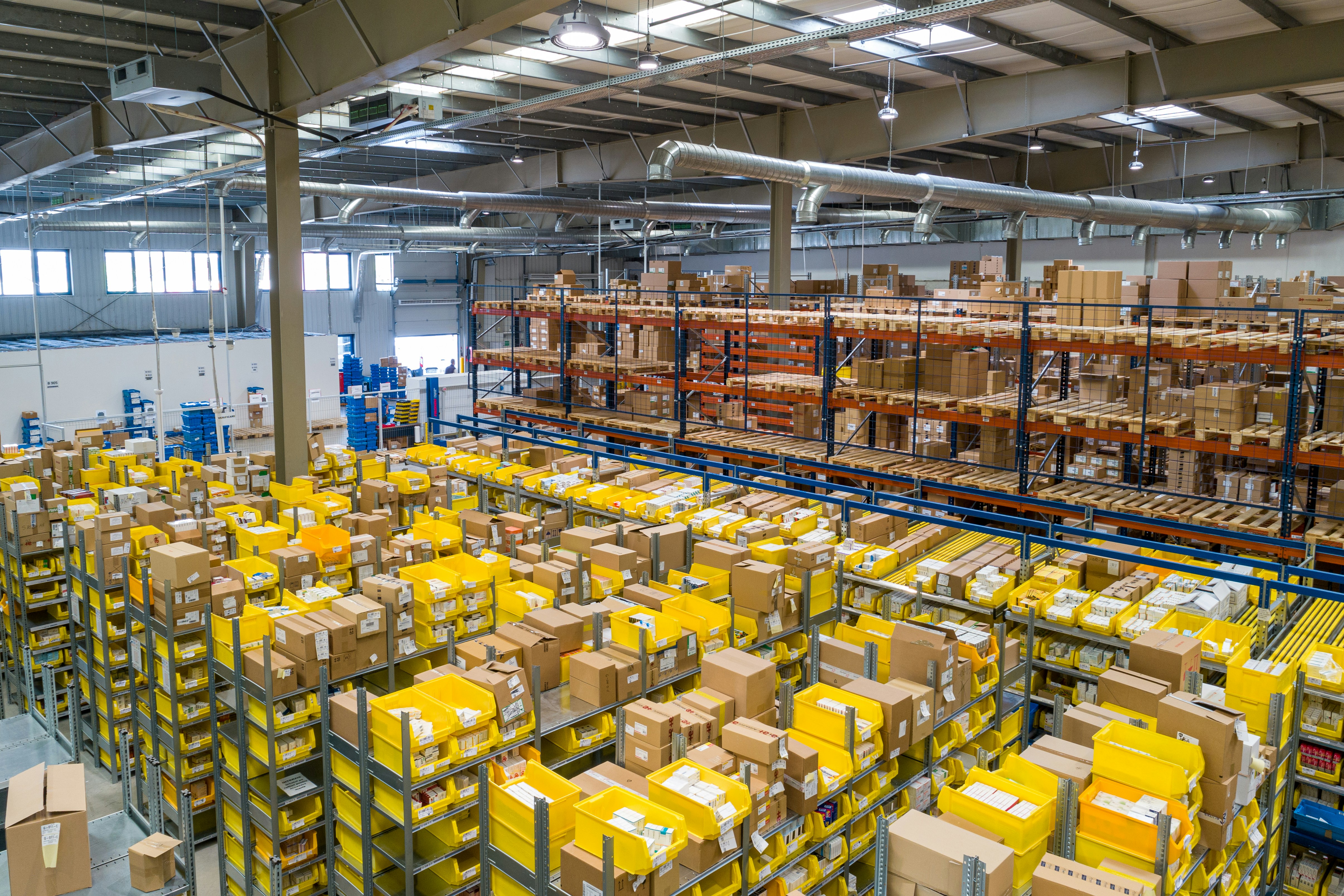
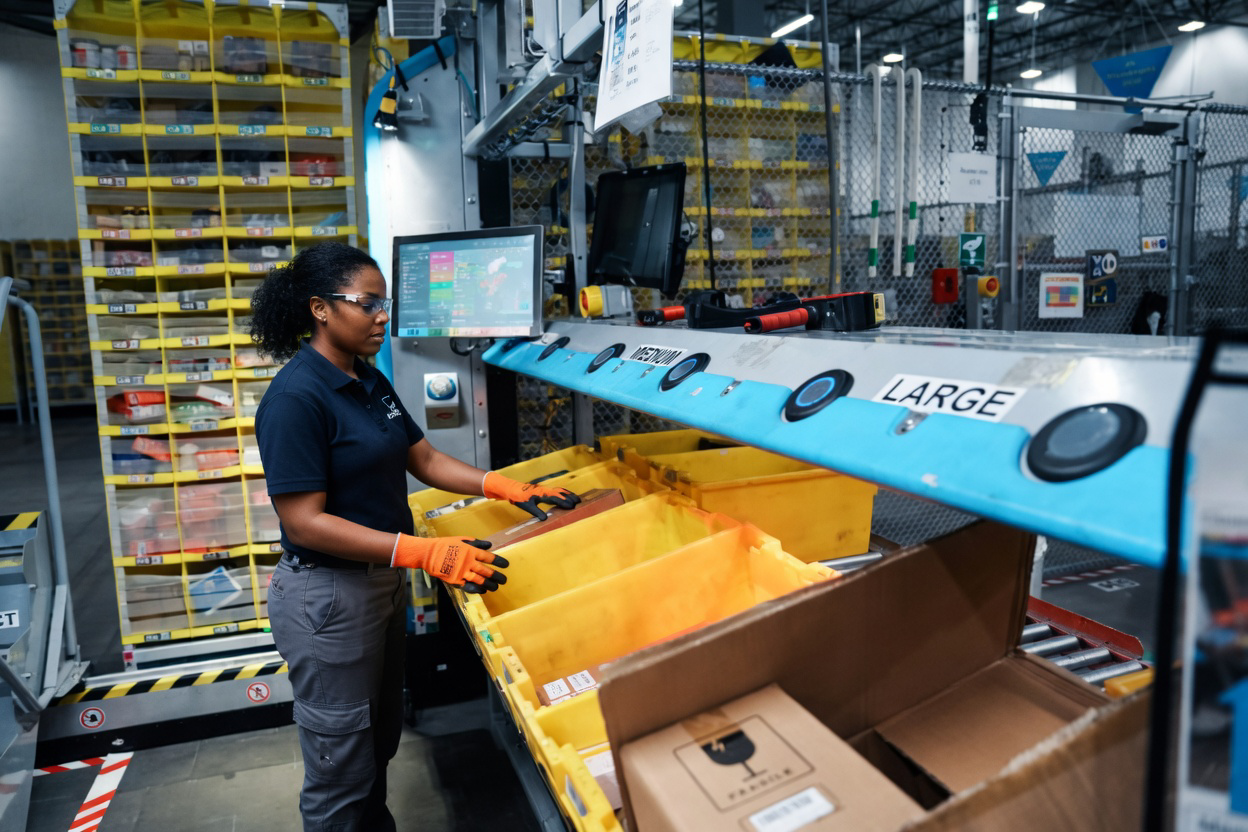
Fellow SYR1 associates at Amazon’s massive fulfillment center in Clay, New York: the robots hum, the conveyors roll, and the pressure to keep pace is real. Many of us have felt it—those performance metrics, rates, or “expectations” that seem to guide every scan, pick, and pack. But are they fully transparent? With New York’s Warehouse Worker Protection Act (WWPA) on the books, it’s worth asking: Do the productivity standards at SYR1 align with your legal rights to clear information and safe working conditions?
This community post is educational and fact-based. It draws from public reports, official state resources, and Amazon’s own public statements. It is not legal advice. Our goal is to help you understand the law, Amazon’s position, and your protections—so you can make informed choices about your work and safety.
What the Law Says: New York’s Warehouse Worker Protection Act (WWPA)
Signed in December 2022 and now in effect, the WWPA applies to large warehouses like SYR1 (100+ employees at one site or 500+ statewide). It targets undisclosed or unreasonable productivity standards that can harm workers.
Key protections include:
- Broad definition of “quota”: Any work speed standard, task count, or material-handling expectation that could lead to discipline if not met.
- Written disclosure required: Employers must give you a clear written description (in English and your primary language) that includes:
- Quantified tasks or output.
- The time period.
- Any potential discipline.
- Breaks and safety first: No quota can prevent lawful meal/rest periods, bathroom use (including travel time), or compliance with health/safety rules.
- Your right to data: Request your personal productivity records (last 90 days) and aggregate data for similar roles. Response required within 14 days, free of charge.
- Anti-retaliation: You cannot be disciplined or fired solely for failing to meet an undisclosed standard or one that violates breaks/safety rules. Complaints are protected.
The law does not ban quotas—it demands transparency and fairness.
Amazon’s Counter-Arguments: “Expectations,” Not Fixed Quotas
Amazon has consistently stated it does not use fixed quotas. Instead, the company describes “safe and achievable performance expectations” based on:
- Peer performance at the site.
- Your tenure and experience.
- Adherence to safety practices.
- Overall team and facility output.
Associates are told they can review metrics via kiosks/apps and speak with managers for coaching. Amazon emphasizes safety investments, training, and claims that injury rates have improved over time.
This is their repeated public position: flexibility and safety over rigid numbers.
Similar Developments in California
California enacted a comparable law (AB 701, the Warehouse Quota Law) in 2022 with nearly identical transparency and safety requirements. In June 2024, the California Labor Commissioner’s Office issued citations totaling nearly $6 million against Amazon for over 59,000 alleged violations at two large fulfillment centers in the Inland Empire (Moreno Valley and Redlands). The citations stated that the company failed to provide required written descriptions of productivity standards and potential discipline.
Amazon has appealed the citations and continues to maintain that it does not use fixed quotas, instead relying on peer-based performance evaluations that employees can review with managers.
This case illustrates how similar transparency requirements are being interpreted and enforced in another major state — highlighting the importance of clear communication about performance expectations nationwide.
Breaking Down the Bigger Picture and the Agenda
Amazon’s model is built on speed and scale to meet customer promises and drive efficiency. Advanced tracking systems monitor movements in real time, creating detailed performance dashboards. Public investigations (including a 2024 U.S. Senate HELP Committee report) and data analyses have noted internal links between productivity pressures and higher injury risks, such as musculoskeletal issues from repetitive rushed tasks.
At SYR1 and similar facilities, reported injury rates have been elevated in past years (e.g., around 11 per 100 full-time workers in 2022 data from some analyses). While Amazon disputes interpretations and continues safety efforts, the emphasis on output remains central to operations. High-volume throughput helps control costs and supports rapid delivery—but critics argue it can create moving targets that feel undisclosed until discipline arises.
The WWPA and similar laws in other states exist precisely because lawmakers saw a need for balance: protecting workers while allowing businesses to operate. Transparency helps everyone understand the rules and reduces preventable strain.
Your Rights in Action at SYR1
Here’s what the law gives you—practical steps you can take safely:
- Request written details — Submit a polite written request (email or note, keep a copy) for the full description of any performance standards or quotas for your role.
- Get your data — Ask for your personal work-speed records and comparable aggregate data.
- Document everything — Note dates, verbal feedback, TOT flags, coaching sessions, or times when you felt pressured on breaks. Keep records of injuries or near-misses.
- Report concerns — If you believe a standard isn’t properly disclosed or interferes with breaks/safety, file a protected complaint with the New York State Department of Labor (dol.ny.gov/WWPA or [email protected]).
- Prioritize safety — You have the right to take required breaks. Never skip them to chase a number.
Additional rights (OSHA, workers’ comp, reasonable accommodations) still apply. Recent state measures like the Warehouse Worker Injury Reduction Act add further ergonomic and hazard-assessment requirements.

Why This Matters for All of Us
Clear rules let associates succeed without unnecessary stress. They promote safer workplaces and reduce surprises at review time. At SYR1 Unofficial, we’ve shared associate stories and safety tips precisely to build this kind of awareness. Knowledge counters confusion and empowers us to look out for one another.
Amazon provides jobs, technology, and opportunity—but the law ensures the playing field includes basic transparency and respect for breaks and safety.
Stay Informed, Stay Safe
- Visit the official NYS DOL page: dol.ny.gov/WWPA
- Check this site for more community updates, safety resources, and anonymous stories.
- Subscribe to our newsletter or join the Discord for real-time discussions (login required).
Disclaimer: This post is for informational purposes only, based on publicly available laws, reports, and statements. It does not constitute legal, medical, or employment advice. For your specific situation, contact the NYS Department of Labor, OSHA, or a qualified professional. SYR1 Unofficial is an independent community blog and newsletter—not affiliated with Amazon.
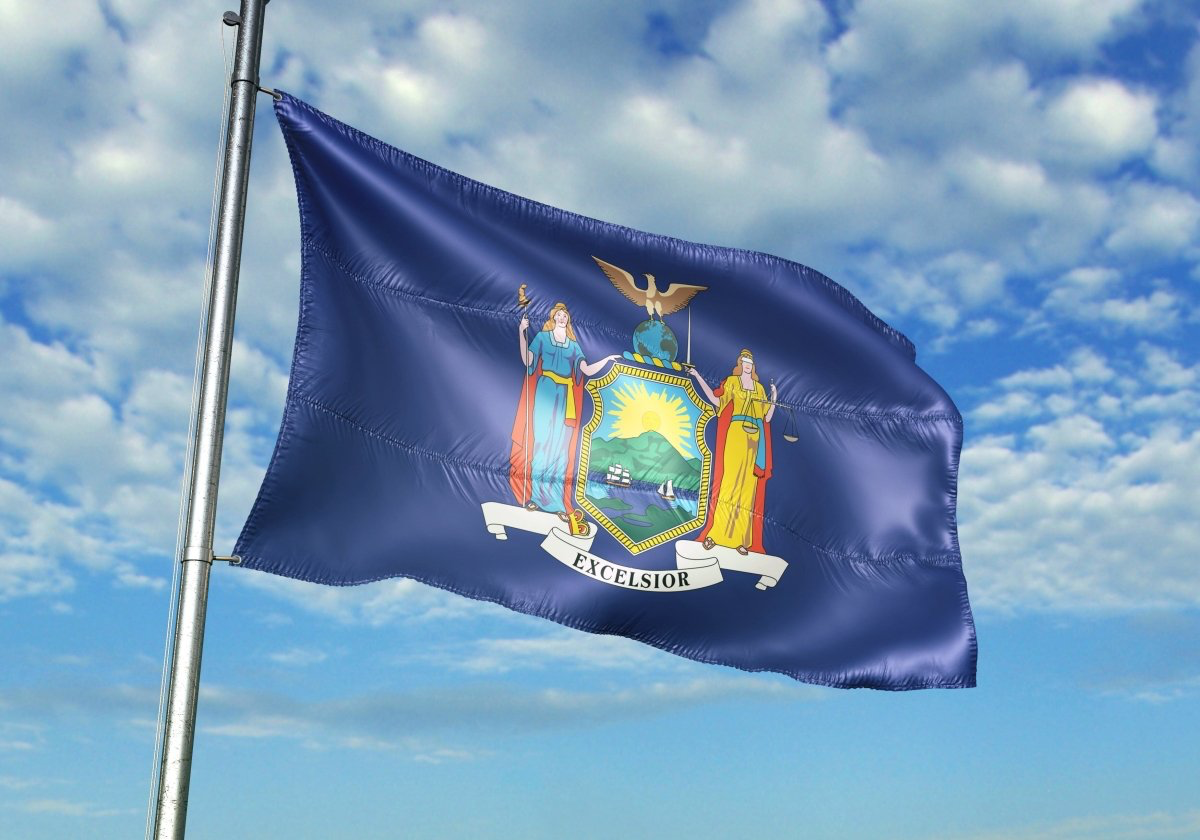
We’re stronger when we stay informed and support each other. Put safety first, associates. Excelsior!
Comments (0)
Sign in to leave a comment.